Amruteshwar Temple
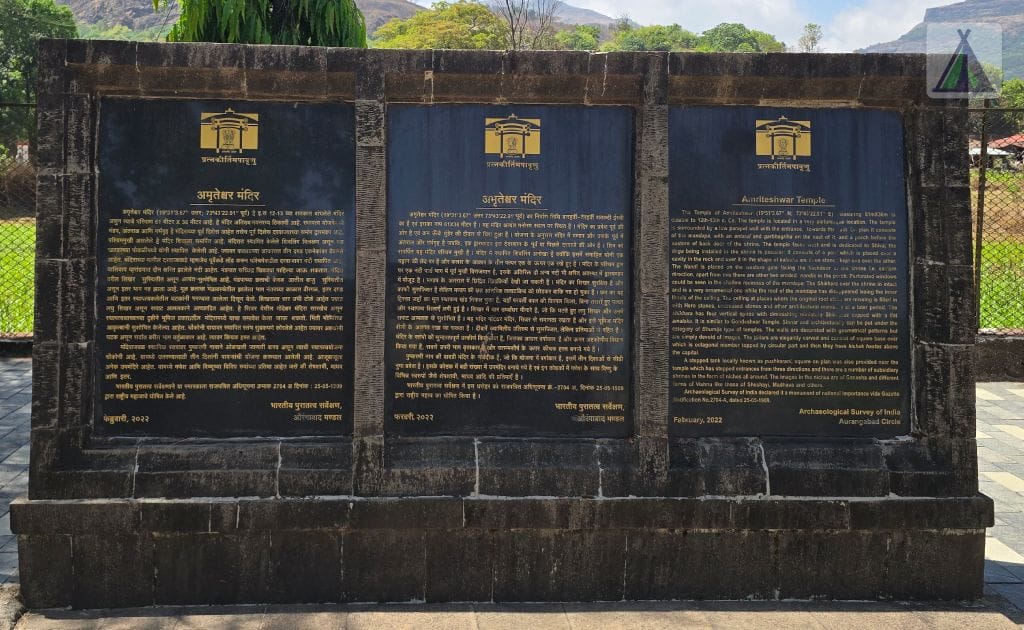
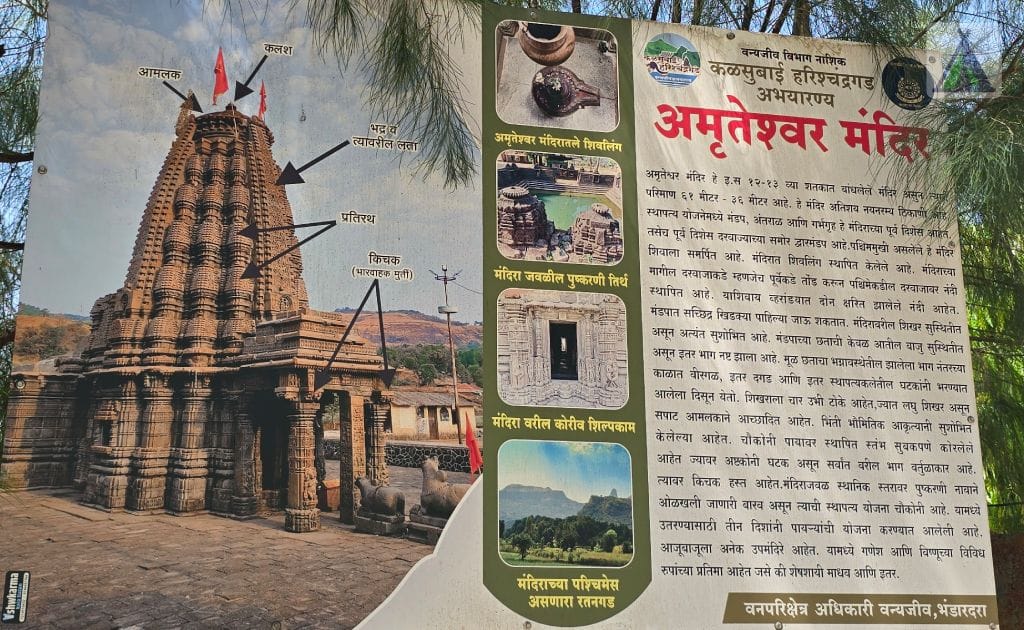
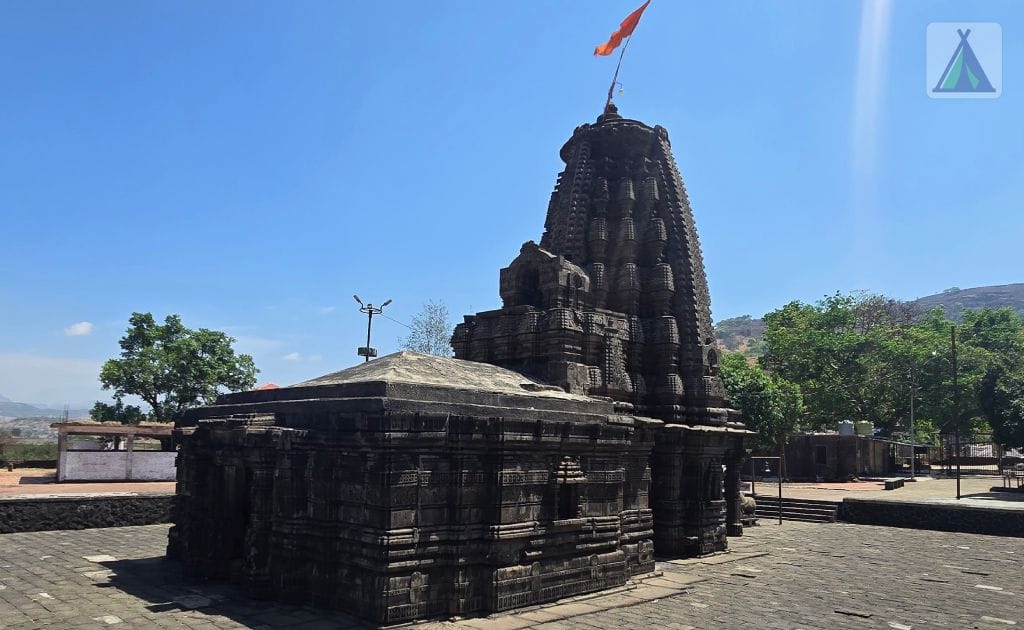
Dating back to the 12th–13th century, the Amruteshwar Temple is a magnificent structure measuring approximately 61 meters by 36 meters. Nestled in a breathtakingly scenic location, the temple’s layout features a Mandapa (hall), Antarala (vestibule), and Garbhagriha (sanctum) positioned toward the east, with a formal entrance porch (Dwaramandapa) facing the same direction.
Architectural Design and Features:
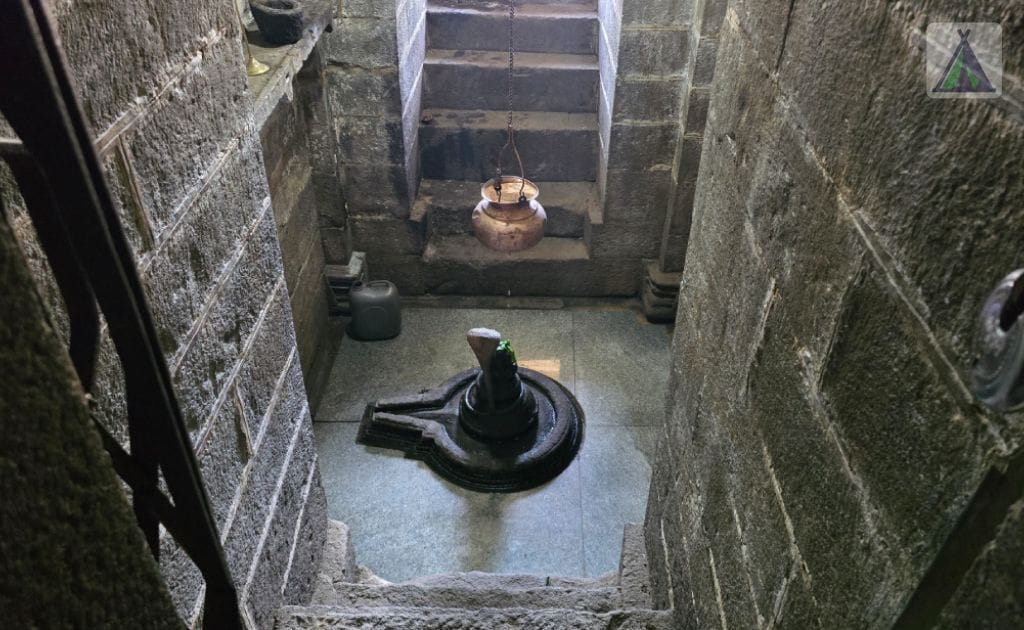
- Orientation and Deity: Although parts of the complex face east, the main temple is west-facing and dedicated to Lord Shiva, with a sacred Shivalinga enshrined in the sanctum.
- The Nandi Statues: Uniquely, the primary Nandi idol is positioned at the western entrance, facing east toward the rear door of the temple. Additionally, the complex houses two distinct Nandi statues masterfully carved from a single stone.
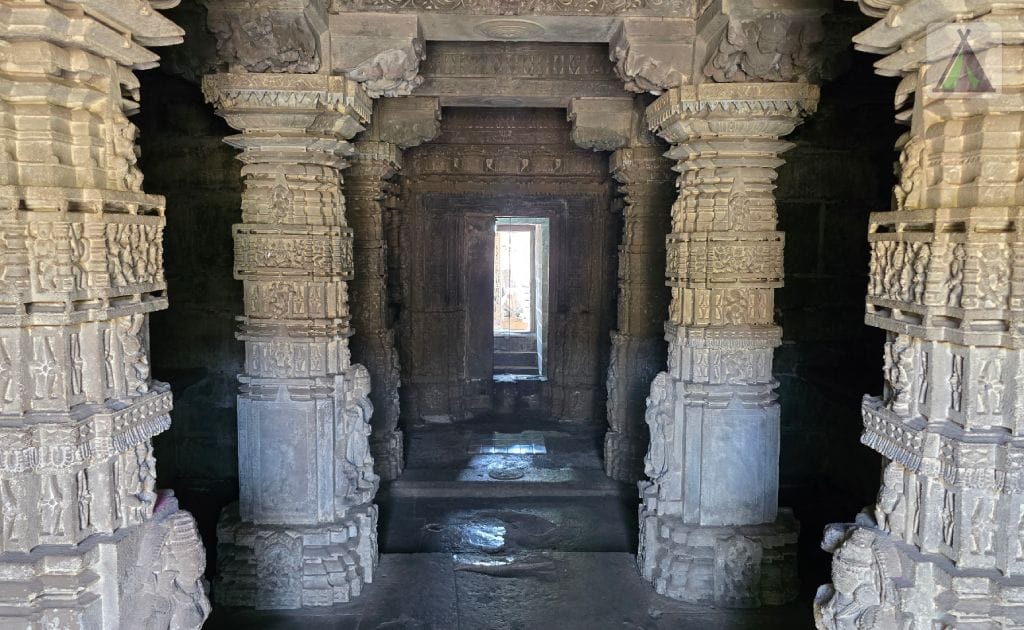
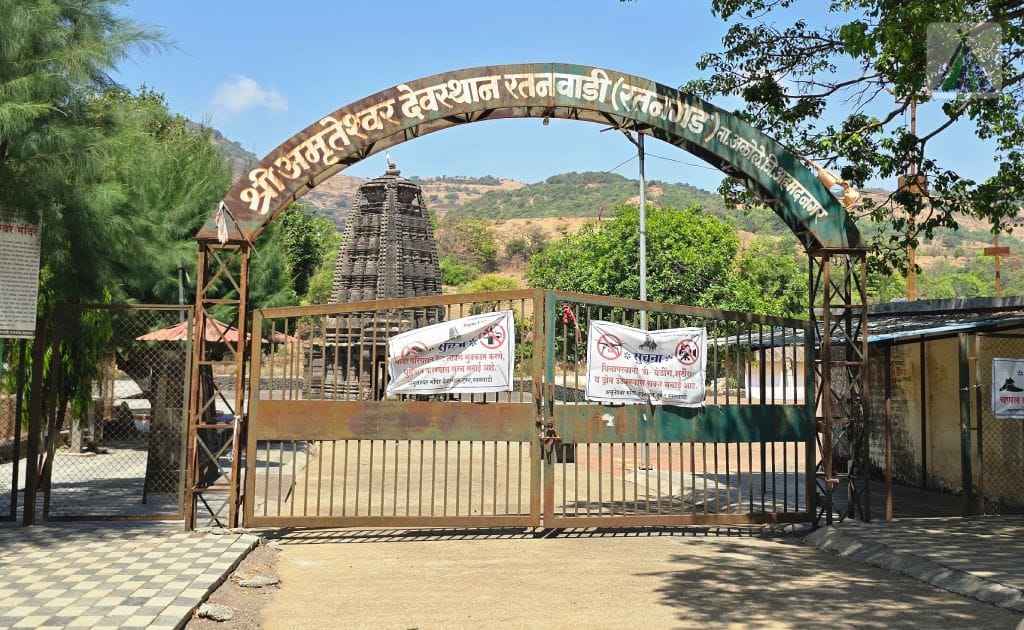
- Intricate Masonry: The Mandapa is adorned with exquisite perforated stone windows. While the temple’s Shikhara (spire) remains in excellent condition and is heavily ornamented, the roof of the hall has partially collapsed. Only the interior portion of the original ceiling remains intact; the damaged exterior was later restored using bricks, rubble, and salvaged architectural fragments.
- Decorative Elements: The spire is supported by four vertical projections, featuring miniature shrines (Lagu Shikharas) capped with flat Amalakas. The exterior walls are decorated with precise geometric patterns, and the pillars—set on square bases—transition into octagonal sections and circular tops adorned with Kirtimukha (honorary hand/face) motifs.
The Pushkarni and Subsidiary Shrines:
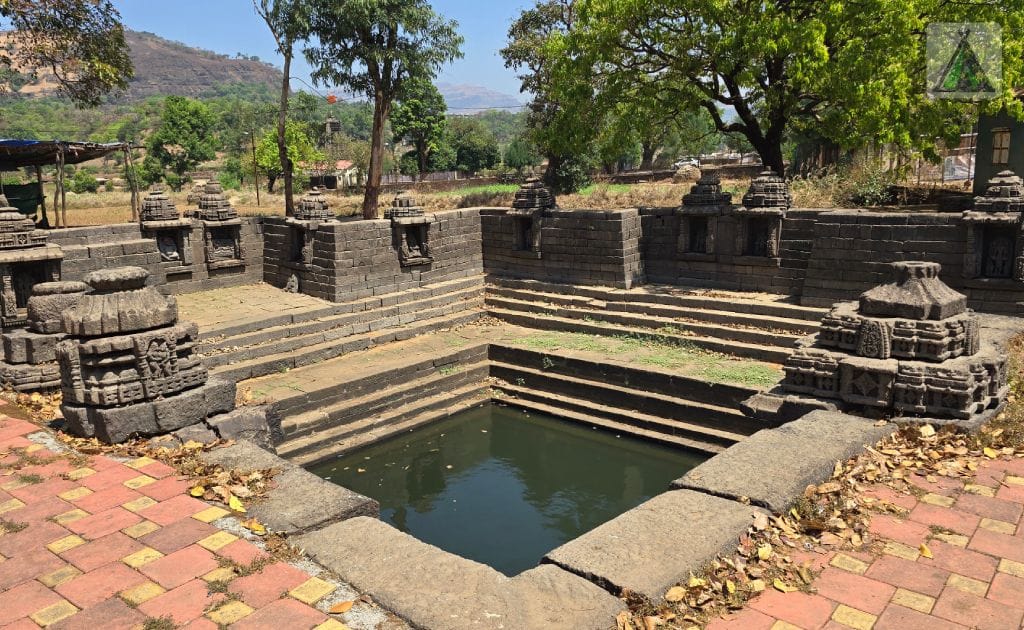
Adjacent to the temple is a traditional stepped tank locally known as a ‘Bav’ (Pushkarni). Built in a square plan, it features steps leading down to the water from three sides. The main temple is surrounded by several smaller subsidiary shrines, which house various forms of Lord Ganesha and Lord Vishnu, including the notable Sheshashayi Madhav (Vishnu reclining on the serpent Shesha).